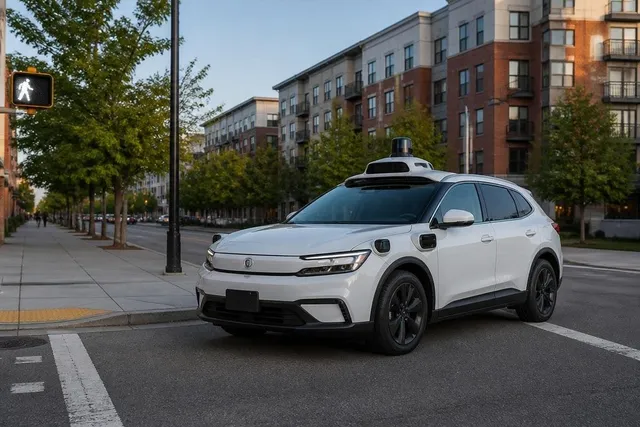
Understanding AI Agents: Definition and Functions
As we delve into the world of artificial intelligence, the concept of AI agents stands out as an integral part of technology's evolving landscape. These intelligent systems are designed to operate autonomously, making decisions based on data, environment, and user interactions. Their ability to learn and adapt positions AI agents as crucial players across diverse sectors, from business to healthcare and customer service. With the continued advancement of AI technology, the understanding and capabilities of AI agents are becoming ever more significant.
What Are AI Agents?
AI agents can be defined as software entities that utilize artificial intelligence techniques to perform tasks on behalf of users. They operate in a dynamic environment and are capable of reasoning, learning, and acting based on their observations. This autonomy allows them to respond effectively to changes in their environment and adapt their actions accordingly. Common examples include virtual assistants like Siri and Alexa, recommendation systems, chatbots, and more complex systems used in industries such as healthcare and finance.
Key Features of AI Agents
- Autonomy: AI agents can perform tasks without human intervention, using their algorithms to make decisions.
- Adaptability: They can learn from interactions and experiences, adjusting their behavior to improve performance.
- Goal-oriented: AI agents are designed to achieve specific objectives, whether it's assisting users, processing data, or providing recommendations.
- Interactivity: Many AI agents engage with users in real-time, offering dynamic responses based on user input.
- Integration: They can be seamlessly integrated into existing systems, enhancing functionality in various applications.
Types of AI Agents in 2026
The landscape of AI agents is diverse, with several types emerging as technology advances. In 2026, we can categorize AI agents into the following types:
- Reactive Agents: These AI agents operate based on current situations without storing past experiences. They are limited but effective for simple tasks.
- Deliberative Agents: Unlike reactive agents, deliberative agents possess internal models of the world, enabling them to plan and strategize their actions.
- Learning Agents: These agents improve their performance through experience, optimizing their actions using machine learning techniques.
- Collaborative Agents: Designed for teamwork, these agents can work together with other agents or humans to achieve common goals.
- Hybrid Agents: Combining various capabilities, hybrid agents utilize both reactive and deliberative strategies for more complex interactions.
The Impact of AI Agents on Industries
The integration of AI agents into various industries is transforming work processes and enhancing operational efficiency. Their ability to process large amounts of data and derive meaningful insights is driving innovation across sectors.
Transformative Roles of AI Agents in Business
In the business realm, AI agents play a pivotal role in automating repetitive tasks, optimizing workflows, and improving decision-making. For instance, customer relationship management systems utilize AI agents to analyze customer data and tailor marketing strategies accordingly. This leads to higher conversion rates and enhanced customer satisfaction. Furthermore, AI agents assist in supply chain management, predicting demand and adjusting inventory levels dynamically.
AI Agents in Healthcare: Revolutionizing Patient Care
In healthcare, AI agents are set to revolutionize patient care. They can analyze medical records, assist in diagnosis, and even monitor patient health through wearables. By processing vast amounts of clinical data, these agents provide actionable insights to healthcare professionals, enhancing the accuracy of diagnoses and treatments. Additionally, AI agents can facilitate personalized treatment plans based on individual patient data, ultimately leading to improved health outcomes.
How AI Agents Enhance Customer Experience
Customer service is one of the prime domains benefiting from AI agents. Through chatbots and virtual assistants, businesses can provide instant support round the clock. AI agents respond to customer inquiries, handle complaints, and even guide users through complex processes like troubleshooting or product selection. These interactions not only improve efficiency but also enhance the overall customer experience, fostering loyalty and trust.
Implementing AI Agents: Best Practices
Integrating AI agents into business workflows requires careful planning and execution. Organizations must consider several best practices to ensure successful deployment and utilization.
Steps to Integrate AI Agents into Your Workflow
- Identify Needs: Determine the specific areas where AI agents can add value, whether it's in customer service, data analysis, or operational efficiency.
- Choose the Right Technology: Select AI technologies that align with your goals, considering factors like scalability, compatibility, and user requirements.
- Train Your Team: Ensure that your team understands how to work with AI agents. Training is crucial for effective collaboration and maximizing the potential of AI systems.
- Monitor and Evaluate: Continuously track the performance of AI agents, adjusting strategies based on feedback and outcomes to improve functionality.
Common Challenges in Deploying AI Agents
While the benefits of AI agents are significant, organizations may face challenges during implementation. Some common obstacles include:
- Data Privacy Concerns: Handling sensitive information requires ensuring compliance with regulations and maintaining user trust.
- Integration Issues: Integrating AI agents into existing systems can present technical challenges, necessitating careful planning and execution.
- Resistance to Change: Employees may be hesitant to adopt new technologies, highlighting the need for comprehensive training and change management strategies.
- Resource Constraints: Adequate funding and resources are essential for successful AI deployment; organizations must allocate sufficient budgets for infrastructure and development.
Measuring Success: Metrics for AI Agent Performance
To ascertain the effectiveness of AI agents, organizations should establish metrics to measure their performance. Key performance indicators (KPIs) could include:
- Response Time: The speed at which AI agents resolve queries or perform tasks.
- User Satisfaction: Feedback from users can help gauge how well AI agents meet expectations.
- Task Completion Rate: The percentage of tasks successfully completed by AI agents without human intervention.
- Cost Efficiency: Evaluating savings generated through automation compared to manual processes.
Future Trends for AI Agents
As we look toward the future, several trends are emerging that will shape the development and utilization of AI agents in the coming years.
Emerging Technologies Shaping AI Agents
The rapid advancement of technologies such as natural language processing (NLP), machine learning, and robotics are revolutionizing AI agents. NLP allows AI agents to understand and process human language better, leading to more natural interactions. Furthermore, developments in machine learning enable agents to learn from their environment and improve their performance over time, making them increasingly sophisticated and capable.
Predictions for AI Agents in the Next Decade
In the next decade, we can anticipate a surge in the capabilities of AI agents across industries. Predictions include:
- Greater Personalization: AI agents will become adept at providing highly personalized experiences based on individual user preferences and behaviors.
- Enhanced Collaboration: As AI agents work alongside humans, they will facilitate more collaborative processes, improving overall productivity.
- Increased Autonomy: AI agents may achieve higher levels of decision-making autonomy, operating independently to accomplish complex tasks.
- Ethical AI Development: There will be a focus on developing ethical guidelines and standards for AI agents to ensure fair and responsible usage.
Preparing for Changing Dynamics in AI Agent Development
Organizations must prepare for the evolving dynamics in AI agent development by adopting agile methodologies and remaining adaptable to new innovations. Additionally, continuous learning and investment in technology talent will be crucial for leveraging the full potential of AI agents.
Frequently Asked Questions about AI Agents
What tasks can AI agents automate?
AI agents can automate a wide range of tasks, including customer service inquiries, data analysis, report generation, email management, and more. Their ability to handle repetitive tasks allows organizations to focus on more strategic initiatives.
How do AI agents learn and adapt?
AI agents learn and adapt using machine learning algorithms that analyze past interactions and outcomes. They identify patterns and modify their behavior based on feedback, enhancing their performance over time.
What are the ethical considerations of AI agents?
Ethical considerations for AI agents revolve around privacy, transparency, and accountability. Organizations must ensure that AI agents are used responsibly and that user data is handled with care to maintain trust.
How can small businesses benefit from AI agents?
Small businesses can benefit from AI agents by automating customer support, managing social media interactions, and streamlining administrative tasks, which can lead to cost savings and improved efficiency.
What tools are available for developing AI agents?
There are numerous tools available for developing AI agents, including AI development platforms like TensorFlow, Microsoft Azure, and Google Cloud AI, which offer resources for building and deploying intelligent systems.