A robotaxi can remove the driver from a paid ride, but that change also moves the hardest work into software, sensors, and remote support. The value depends on where the car can drive safely, how it handles unusual events, and who pays when a trip stops.
- Lower running costs: A fleet may avoid the cost of a driver for each trip.
- More access: A robotaxi could help people who can’t drive or reach public transport.
- New risks: A sensor fault, software error, or blocked road can affect a ride without a person in the front seat.
Where robotaxis could help
A driverless fleet could keep cars moving across more hours of the day. That may spread the cost of each car across more rides, though the result depends on vehicle price, charging, repairs, insurance, and the staff needed to watch the fleet.
The same model could help people who cannot drive because of age, disability, or another personal limit. That benefit only counts if the service reaches the places they need, accepts mobility aids, and costs less than the other ride options available to them.
Robotaxis may also reduce the need for private car ownership for some trips. A person who uses a car only a few times each week could choose a paid ride instead. The effect on traffic is less clear: empty cars moving to their next passenger could add miles between trips.
Empty-car miles can change the traffic result, so the useful record includes passenger demand, pickup distance, and trip time. Robotaxi reporting from Robot24.com can place those details beside the vehicle’s sensor setup and human-control rules before the article turns to what the car must handle.
What the car has to handle
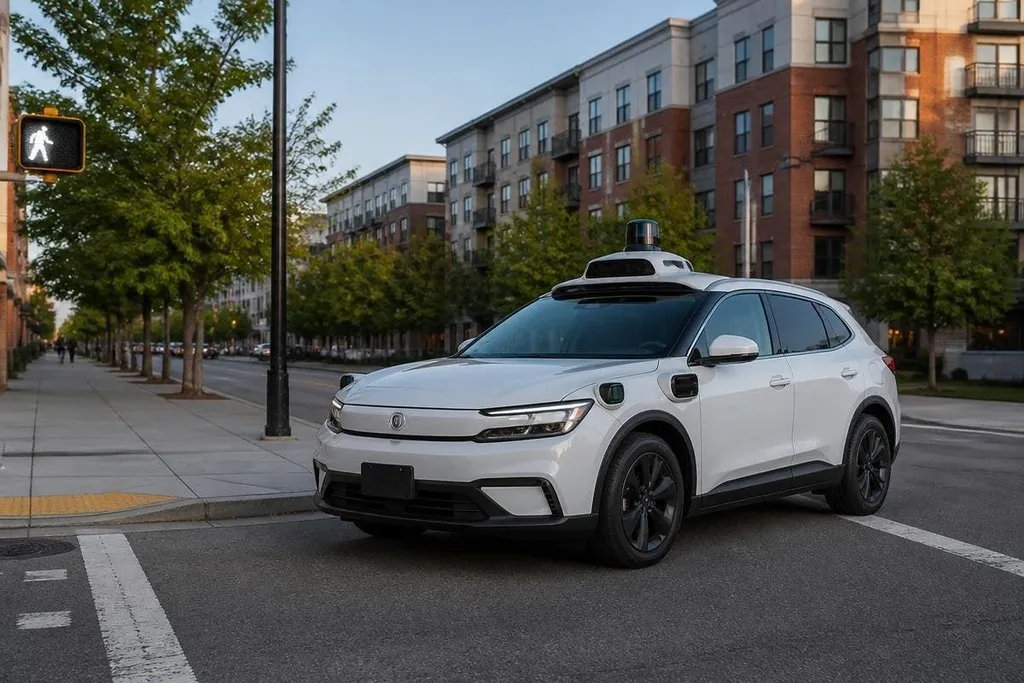
A robotaxi uses cameras, radar, and sometimes LiDAR to detect road users and objects. Software combines those inputs with maps and motion planning, which chooses a safe path and speed.
The normal trip is the easy part to show. A useful test must also cover roadworks, unclear lane markings, emergency vehicles, fallen objects, heavy rain, and a passenger who needs help.
Each case can force the car to slow down, stop, ask for remote support, or hand control to a human operator. A remote operator can guide a car through a rare event, but that person cannot watch every car as closely as a driver watches one vehicle.
The service needs clear limits for when a remote worker may give advice, how the car confirms that advice, and what happens if the connection fails.
The risks outside the ride
Safety is the first concern, but it is not the only one. The service can collect camera views, location data, and details about the trip. The operator needs a clear reason for each type of data and a clear period for keeping it.
There is also a service risk. A car may stop at the roadside after a sensor fault, blocked route, flat tire, or software problem. Passengers need a way to leave safely, contact a person, and get another ride when the car cannot finish the trip.
Cost brings another limit. Driver pay may fall out of the trip price, but the fleet still needs vehicles, high-cost sensors, charging sites, cleaning, repairs, insurance, remote staff, and software work. A low fare is unproven until an operator publishes the full cost of running the service.
The public will also judge robotaxis by small failures. A car that blocks a bus lane or stops in a confusing place can affect people who never chose to ride in it. One unsafe response may matter more than many smooth trips because road users have to share the result.
A buying and policy checklist
Before you support or use a robotaxi service, check these points:
- Service area: Confirm the roads, weather limits, operating hours, and pickup rules.
- Human help: Find out how you reach a remote operator and what happens when the car stops.
- Passenger exit: Check the process for emergencies, mobility aids, and medical needs.
- Data policy: Read what the car records, why it records it, and when the operator deletes it.
- Failure record: Ask for public safety reports, stopped-trip data, and repair response times.
I’d judge a robotaxi by its response to a blocked road, a confused passenger, and a failed sensor, not by a clean video of an empty street.
The next useful proof is simple: operators should publish how often rides stop, how often human help is needed, and how each event ends. Until those numbers are public for a defined service area, a robotaxi remains a promising transport idea with its hardest costs still outside the fare.