
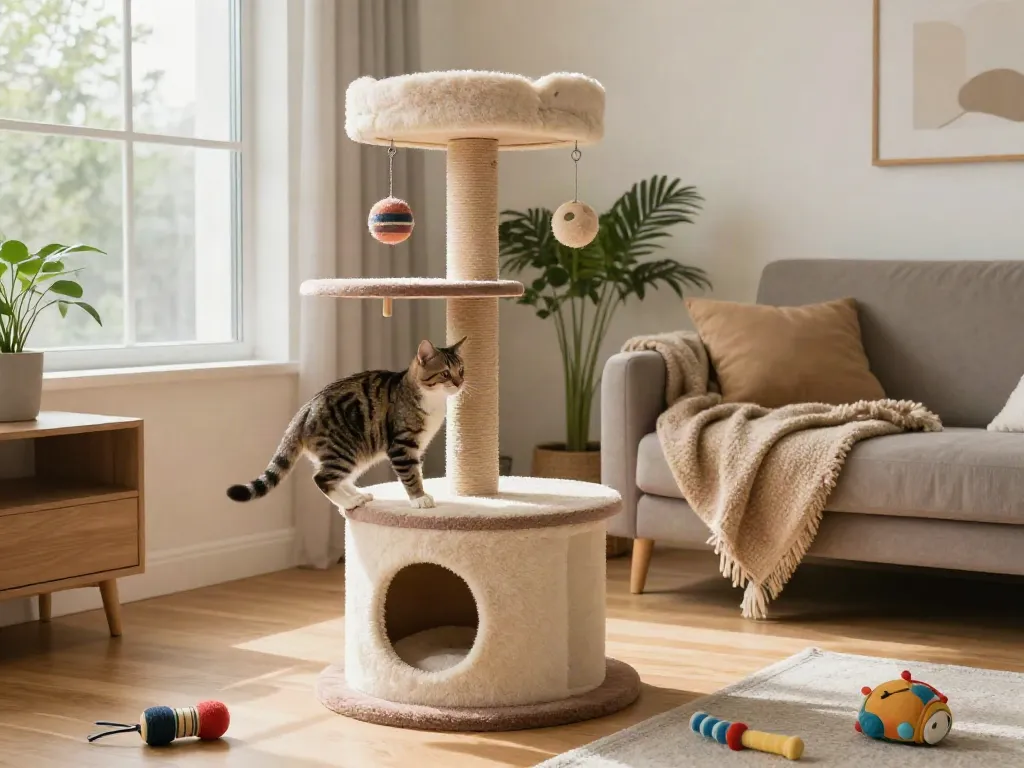
Understanding the Importance of Cat Trees
In the world of feline care, cat trees are invaluable. They not only offer a space for your cat to play and lounge but also serve essential roles in maintaining their health and happiness. With an increasing number of pet owners recognising the needs of their pets, cat trees have become a staple in homes across the UK. When exploring options, cat trees provide comprehensive insights into designs that cater to the unique behaviours of our feline friends.
Why Cat Trees are Essential for Your Cat's Wellbeing
Understanding why cat trees are crucial for your cat's wellbeing starts with acknowledging their natural instincts. Cats are inherently climbers, and cat trees cater to this instinct, allowing them to explore vertical spaces safely. These structures offer cats a place to exercise, scratch, and observe their territory from a heights, which is vital for their mental stimulation and physical health.
Moreover, cat trees help reduce stress and anxiety in cats. Having a designated space for play, rest, and perching can significantly alleviate behavioural issues. When cats feel secure in their environment, they are less likely to engage in negative behaviours, such as scratching furniture or excessive meowing.
Common Misconceptions About Cat Trees
Despite their importance, several misconceptions surround cat trees. One common belief is that only indoor cats need them, but outdoor cats can benefit just as much, especially if they transition between indoor and outdoor environments. Additionally, some might think that cat trees are merely for play; however, they provide essential resting areas and scratching surfaces, contributing to overall well-being.
How Cat Trees Benefit Your Home Environment
Incorporating a cat tree into your home does more than enhance your cat's life; it also positively impacts your living space. A well-placed cat tree can serve as a decorative element, creating an attractive focal point in your home. Additionally, these structures help satisfy your cat’s natural behaviours, potentially preventing them from damaging household items.
Moreover, cat trees can encourage bonding time between you and your cat. Interaction through play or simply spending time near the cat tree enhances your pet's comfort and trust in you.
Choosing the Right Cat Tree for Your Feline
Choosing the right cat tree involves understanding your cat’s preferences and habits. With a vast range of designs and features available, from minimalist to elaborate multi-level structures, it’s essential to consider various factors to ensure that you select the best option for your furry companion.
Factors to Consider When Selecting Cat Trees
The first thing to consider is the size of your cat. Larger breeds like Maine Coons or Ragdolls require sturdier, more spacious cat trees. In contrast, smaller cats might thrive on a compact design. Consider your cat's age, activity level, and temperament; kittens, for example, will benefit from multiple platforms to jump on, while older cats may prefer a lower, more accessible design.
Additionally, assess the tree’s stability. Ensure it has a wide base and solid construction to prevent tipping, particularly with more active cats. Finally, think about the design and whether it fits well with your home’s aesthetic while providing the necessary features for your cat’s enjoyment.
Best Materials for Durable Cat Trees
Material quality is paramount when selecting a cat tree. The best cat trees are often made from solid wood or high-quality particle board. Look for trees covered in durable fabrics, such as faux fleece or sisal, which can withstand scratching and jumping. Natural materials not only last longer but also provide a more attractive appearance that blends seamlessly into home decor.
Moreover, ensure that the cat tree is easy to clean. Removable, washable covers can make maintenance a breeze and keep the area hygienic.
Top Brands and Their Unique Features
Several brands stand out in the cat tree market, each offering unique features that cater to varying needs. Brands like PetFusion and Frisco are known for their sturdy designs and modern aesthetics, appealing to conscientious pet owners. Others, like Vesper, provide multifunctional pieces that serve as both cat furniture and stylish home decor.
It’s also worth checking reviews and recommendations from other pet owners to find a brand that consistently delivers quality and satisfaction. Understanding what makes each brand unique can help you make an informed choice that suits both your cat and your home.
Cat Tree Setup and Placement Strategies
Once you’ve selected the right cat tree, the next step is to ensure it’s set up and placed correctly within your home. Proper placement can significantly enhance your cat’s experience and encourage them to use it more frequently.
Optimal Locations for Cat Trees in Your Home
Positioning your cat tree is critical. Cats typically prefer elevated spaces where they can observe their surroundings. Placing the tree near a window allows your cat to enjoy sunlight and observe the outside world, which can keep them entertained for hours. Avoid placing the tree in isolated areas to ensure your cat feels secure and included in the household activities.
Additionally, consider the flow of your living space. If you have multiple cats, placing trees in different areas can help prevent conflict and provide each cat with their own space.
Creating a Multi-Cat Environment with Cat Trees
For households with multiple cats, ensuring each feline has access to their own space is essential to prevent territorial disputes. Consider investing in several smaller cat trees or strategically placing larger ones throughout the home. This arrangement promotes harmony and allows each cat to feel secure in their environment.
Encouraging interaction through play and shared spaces can also help strengthen bonds among your cats. Use toys or encourage climbing onto the higher platforms together to foster camaraderie.
Enhancing Your Cat's Space with Accessories
Cat trees can be enhanced further with various accessories to make them even more appealing. Add toys, scratching posts, or even cat hammocks to create a more dynamic environment for your cats. Treats can also entice your cats to explore and play within the tree, keeping them engaged and active.
Interactive features, such as hanging toys or tunnels, can pique your cat’s interest even more. These accessories not only make the tree more enjoyable but also promote physical activity, contributing to their overall health.
Maintaining and Caring for Cat Trees
To maximise the lifespan of your cat tree, regular maintenance is essential. A well-cared-for structure not only looks better but also provides a healthier environment for your cats.
Cleaning and Upkeep Tips for Longevity
Routine cleaning is crucial. Vacuum the surface regularly to remove hair and debris, and spot-clean stains with pet-safe cleaners. Many cat trees come with removable parts that are machine washable, making upkeep simpler. This practice not only helps maintain aesthetics but also promotes hygiene, reducing allergens and bacteria within your living space.
Identifying Signs of Wear in Cat Trees
Pay attention to signs of wear and tear. Scratches, tears in fabric, or stability issues are indicators that your cat tree may need replacing. Regularly inspecting your cat tree ensures that your cats remain safe while using it. If you notice excessive wobbling or damage, it’s time to consider an upgrade.
When to Replace Your Cat Tree: A Guide
Generally, a good quality cat tree should last between three to five years, depending on your cat's usage and the materials used. If structural integrity is compromised or if your cats lose interest in the tree, it may be time to invest in a new model. Remember, a well-structured tree can be a long-term investment in your cat's health and happiness.
The Future of Cat Trees: Trends and Innovations for 2026
The cat tree market is evolving rapidly, with new trends emerging each year. Observing these trends helps ensure that you select the best option for your feline companion while staying ahead in terms of functionality and aesthetics.
Emerging Design Trends in Cat Trees
Trends for 2026 indicate a move towards more minimalistic designs that integrate seamlessly into living spaces. Sustainability is also becoming a significant focus, with many brands opting for eco-friendly materials. Customisable features allow pet owners to tailor the cat tree to their cat’s needs; for instance, adjustable heights and interchangeable parts can cater to various preferences.
Smart Cat Trees: Technology Integration in 2026
Technology is beginning to infiltrate the cat tree market, with smart cat trees incorporating features like monitoring systems that track a cat’s activity levels. These innovations not only enhance user experience but also promote better health by allowing owners to monitor their pets' behaviour more effectively.
Environmental Considerations in Cat Tree Production
As awareness of environmental issues grows, many companies are emphasising sustainable production practices. This includes sourcing materials responsibly and ensuring that production processes have a minimal ecological footprint. Choosing eco-friendly cat trees not only benefits your pet but also contributes positively to global sustainability efforts.
What are the best features to look for in a cat tree?
When selecting a cat tree, look for features that ensure durability, safety, and stimulation. Essential aspects include multi-level platforms, scratching posts, and areas for resting. Additionally, some may prefer cat trees with added features like tunnels and hideaways, providing extra fun for their feline friends.
Are cat trees good for large cats?
Absolutely. Large cats require sturdier structures that can support their weight without wobbling. Choose cat trees specifically designed for larger breeds to ensure safety and comfort.
How do I train my cat to use a cat tree?
Training a cat to use a cat tree can take patience. Start by placing treats or toys at the various levels to encourage exploration. Soft coaxing and positive reinforcement will help instil confidence in your cat as they navigate their new structure.
What materials are best for cat trees?
High-quality wood or solid MDF are ideal materials for durability, while natural fabrics provide comfort. Sisal rope is preferred for scratching surfaces as it withstands wear effectively.
Can I make my own cat tree at home?
Creating a DIY cat tree is entirely feasible and can be a rewarding project. Custom-sized structures can cater perfectly to your cat's needs, using readily available materials such as wood, upholstery fabric, and sisal rope.